
Life at UUNZ
From preparing to travel, to settling into Auckland, to exploring one of the world's most liveable cities — here's a glimpse of what life is like as a UUNZ student.
Choosing to study abroad is a momentous decision, and we're privileged to share that journey with you. From the moment you start preparing to travel, through your first days on campus and the months that follow, our aim is the same: to help you settle in, feel at home, and make the most of your time in New Zealand.
Full operational detail — accommodation rules, attendance, complaints, emergency procedures — lives in the UUNZ Student Handbook, which all new students receive on enrolment.
Before You Arrive
Once your enrolment is confirmed, we'll send you log-in details for our online pre-departure course. It includes interactive activities to help you prepare for your travel and gives you a clearer picture of what to expect when you arrive. Here's a starting point.

Your visa
Most students who study at UUNZ are on a Student visa or a Visitor visa. The visa you need depends on the length and type of your course, and your visa conditions affect things like whether you can work while you study. We can guide you through what's required, but applications are made directly with Immigration New Zealand.
Further information: Immigration New Zealand — NZ Ready pre-arrival guide · NauMai NZ — visas and immigration

Preparing to travel
Auckland's weather is generally pleasant but can change quickly, so pack for both rain and sun on any day. Summers (December–February) are warm and humid with strong sun — bring a hat and sunscreen. Winters (June–August) are mild and wet, but the wind can be cold, so a warm waterproof jacket is worth the suitcase space.
New Zealand uses 230/240V power and Type I plugs (the same as Australia), so you'll need an adaptor for most overseas devices.
Further information: NauMai NZ — preparing to travel to New Zealand
What not to bring
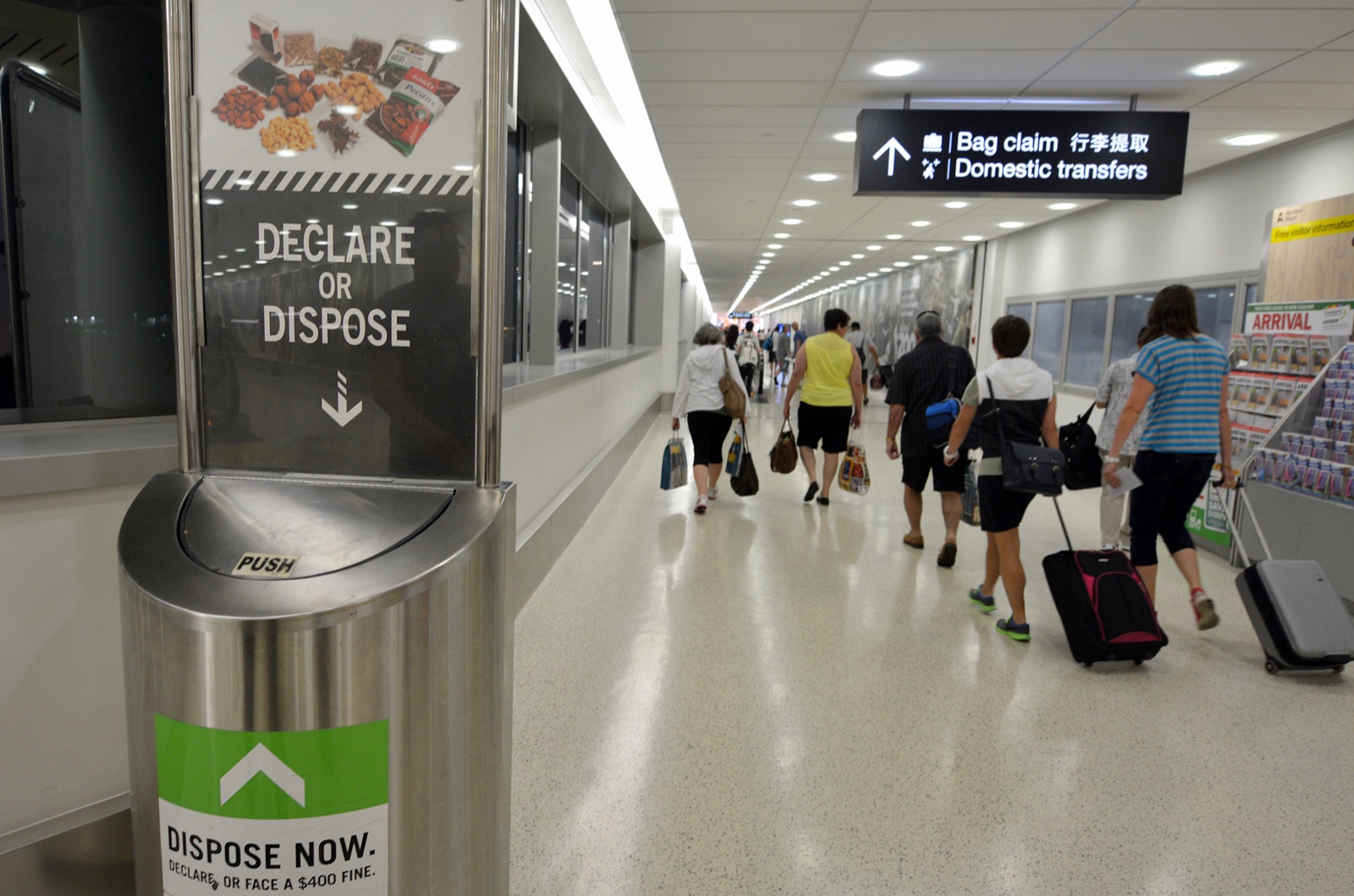
New Zealand has strict biosecurity rules to protect its unique natural environment. Many food items, plant and animal products, and outdoor equipment must be declared on arrival — and some can't be brought into the country at all. It's worth checking before you fly.
Declaring something honestly is always free; failing to declare a restricted item can mean an instant fine or worse.
Further information: NauMai NZ — prohibited items
Settling In
From your first day on campus through the weeks that follow, we'll help you find your feet in Auckland. Here's what to expect.
Your first days
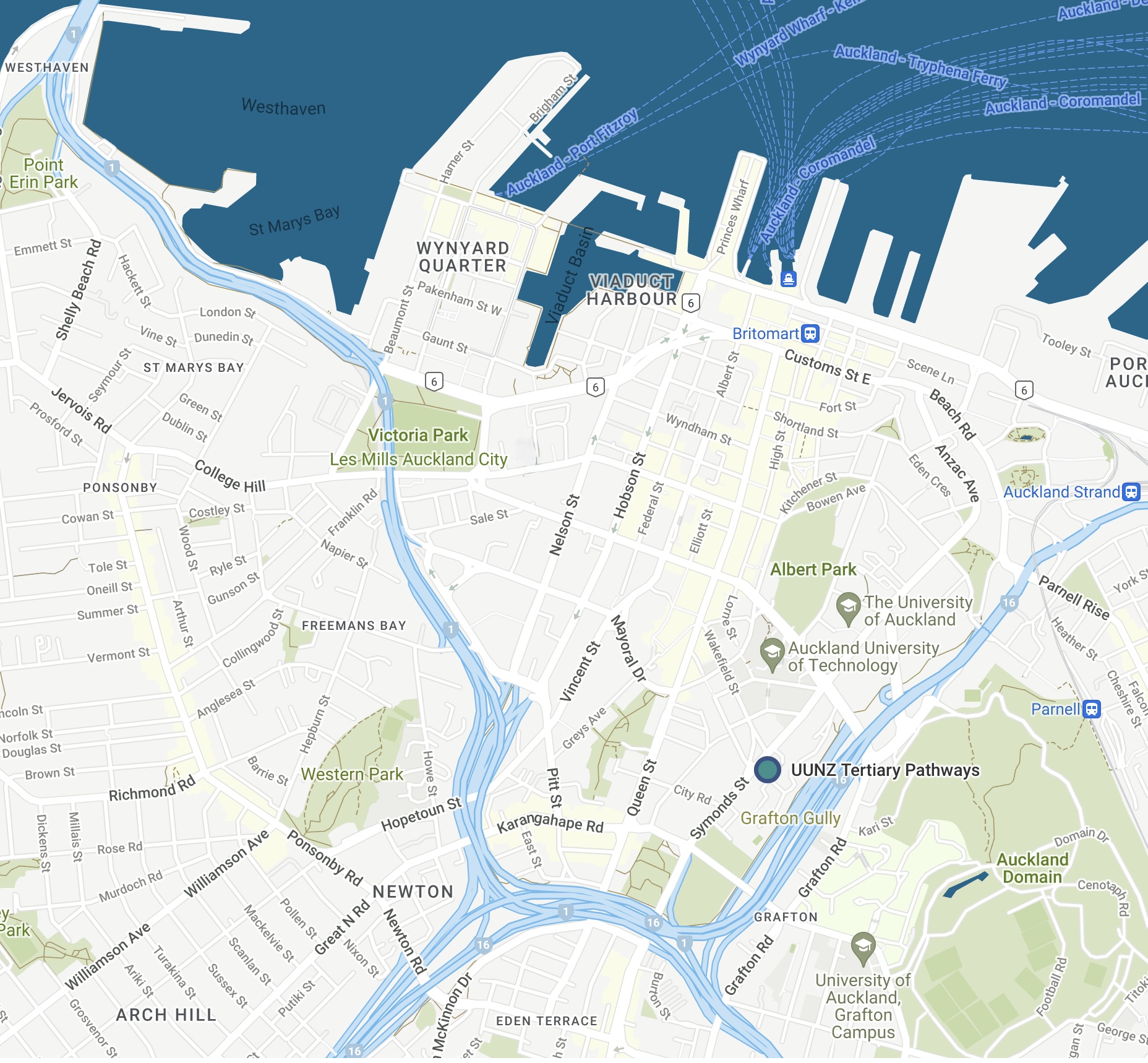
Your on-campus orientation runs on the Friday before your course starts. It includes a tour of UUNZ Tower and the surrounding area, introductions to the staff who will be supporting you, and the practical information you need to keep safe and well. If your course requires it, you may sit a follow-up version of the placement test afterwards so we can confirm you're starting at the right level.
Your studies begin the following Monday. UUNZ Tower is at 76–78 Symonds Street, in the heart of central Auckland — most things you need are within easy walking distance.

Where you'll live
Most students stay in a homestay arranged by UUNZ. Living with a Kiwi family is one of the warmest ways to settle in: you'll have your own furnished room, breakfast and dinner on weekdays (and three meals at weekends), and the support of a host who has been carefully selected to make you feel part of the family.
If you'd prefer to find your own place, the most common option in New Zealand is renting a room in a shared house — known here as "flatting". Plenty of student-friendly flats and apartments are within walking distance of UUNZ Tower.
UUNZ does not have student hostels or halls of residence. These often become an option later, once you progress to your undergraduate or postgraduate studies in New Zealand.
Further information: NauMai NZ — accommodation types

Cost of living
Your cost of living will depend on the lifestyle you want, but the table below gives a sense of average prices in Auckland. All amounts are in New Zealand dollars (NZD).
| Rent — room in a shared flat | $190–$260 / week |
| Groceries | $100–$150 / week |
| Public transport | $210 / month |
| Basic dinner for two | $30–$50 |
| Cappuccino | $5.65 |
| GP medical visit | $19–$55 |
| Gym membership | $40–$70 / month |
| Cinema ticket | $15–$20 |
Tip: almost no-one in Auckland uses cash. A bank card or mobile payment will cover you almost everywhere, even for small purchases.
Further information: NauMai NZ — cost of living

Staying healthy
All international students must hold valid medical and travel insurance for the duration of their studies — that's a New Zealand government requirement. With insurance in place, you have access to a range of healthcare services.
If you feel unwell, the first port of call is a family doctor (a "GP", general practitioner). It's a good idea to register with one near where you live before you get sick. There's a doctor's surgery a short walk from UUNZ Tower, and we'll point you in the right direction during orientation.
Further information: NauMai NZ — healthcare

Staying safe
Auckland is generally a safe city, but like anywhere it pays to be sensible. Pay attention to your belongings in busy areas, avoid carrying large amounts of cash, and stick to well-lit streets at night. The New Zealand Police are friendly and approachable — if you ever feel unsafe, you can call them on 111 in an emergency or 105 to report something non-urgent.
During orientation we'll talk through how to keep safe in Auckland, what to do in the event of an emergency on campus, and where to find help if you need it.
Further information: NauMai NZ — staying safe

Your wellbeing
Studying in a new country is exciting, but it can also be challenging — homesickness, the pressures of study, and adjusting to a new culture are all normal. UUNZ provides pastoral care to support you through it. Our Student Services team are on campus Monday to Friday and can help with everything from practical matters like opening a bank account to talking through how you're settling in. Support is available in English or, where possible, in your first language.
Beyond UUNZ, New Zealand has a network of free, confidential helplines available 24 hours a day for moments when you need to talk to someone.
Further information: Lifeline (24/7 mental health support): 0800 543 354 · 1737 — free call or text any time to talk to a trained counsellor · NauMai NZ — wellbeing for international students
Exploring Auckland
Auckland is one of the world's most liveable cities — laid-back, ethnically diverse, and full of things to do within easy reach of campus. Here's a taste.
Places to go
A few of our favourites:
- Climb Mount Eden (Maungawhau) — about an hour, with 360° views over the city and harbours.
- The Auckland War Memorial Museum — sitting on top of a dormant volcano in the Auckland Domain, with rich Māori and Pacific history and a beautiful park for a picnic.
- The waterfront — Britomart, the America's Cup Village and Wynyard Quarter for restaurants, bars and food trucks.
- Ferry to Devonport or Waiheke Island — a quick trip across the harbour to a seaside village or "the island of wine".
- Muriwai black sand beach — a 40-minute drive west, dramatic in any season.
Eating out
Auckland's food scene reflects its diversity — you'll find authentic Korean, Chinese, Japanese, Vietnamese, Filipino, Malaysian, Indian, Italian and modern New Zealand cooking, often within a few blocks of each other. Night markets, food trucks and budget-friendly cafés make eating out an everyday pleasure. Most people eat dinner around 6–7pm; it's hard to find a kitchen open after 10pm on a weeknight. Our team's recommended budget eateries are listed in the Student Handbook.
Festivals and events
There's almost always something happening. The Auckland Lantern Festival and Pasifika are highlights of the early-year calendar; through autumn there's the Auckland Festival, International Comedy Festival, Pride Festival and Te Matatini; and summer brings the Farmers Santa Parade and outdoor cinemas. We'll let you know what's on during your time with us.
Further information: Auckland NZ — official tourism guide · Auckland events calendar · Eventfinda
Ready to take the next step?
Have a look at our programmes, ask us a question, or start your application.